ESC® 2025 – Updated Dyslipidemia Guidelines Introduce New Risk Prediction Algorithm
Document reaffirms LDL-C targets set in 2019, while incorporating novel risk scores, emerging therapies, and recommendations for special populations.

Medical Affairs
5 min read

September 3, 2025
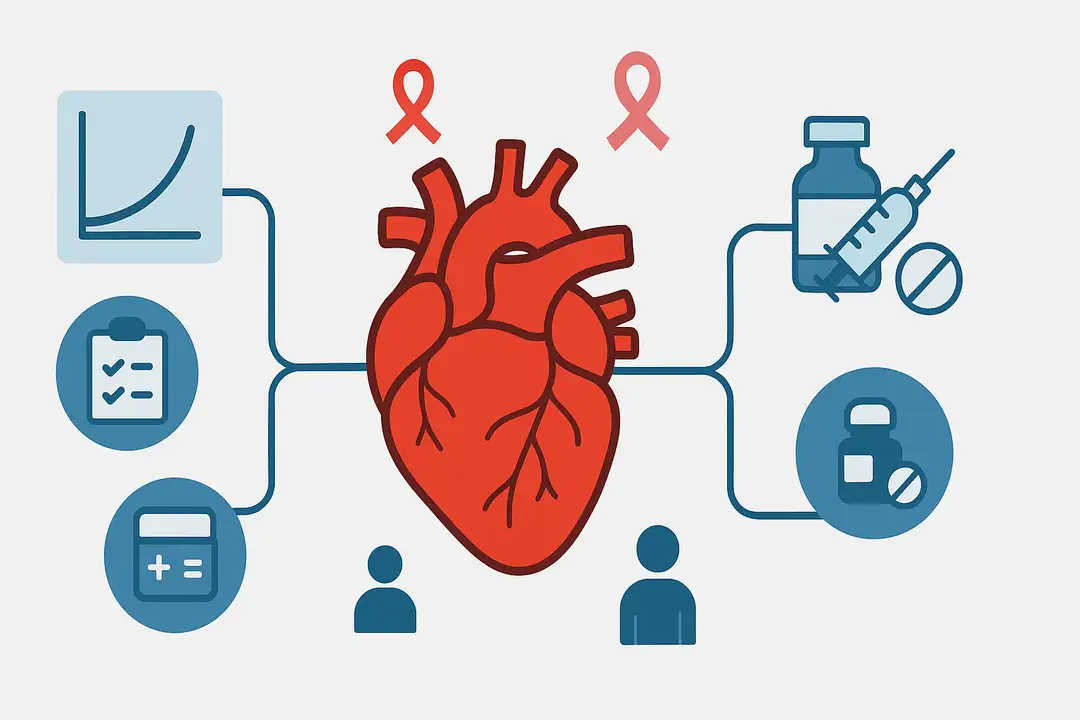
At the European Society of Cardiology (ESC) Congress 2025, the ESC and the European Atherosclerosis Society (EAS) released the updated guidelines for the management of dyslipidemias, revising the 2019 version in light of the latest evidence. The document reinforces intensive LDL-cholesterol lowering as a central strategy for cardiovascular prevention and emphasizes individualized targets based on global patient risk.
Key changes focus on areas where new data justified refined or additional recommendations. Notably, the SCORE2 and SCORE2-OP algorithms were adopted for cardiovascular risk prediction across age groups, replacing earlier tools. In the field of LDL-C–lowering therapies, two agents were incorporated: bempedoic acid and evinacumab, the latter particularly indicated for patients with homozygous familial hypercholesterolemia.
The update also stresses the early initiation of lipid-lowering therapy during hospitalization for acute coronary syndrome and includes recommendations for screening and management of lipoprotein(a), increasingly recognized as an independent causal factor in atherosclerotic disease. For patients with hypertriglyceridemia, new pharmacological approaches were added, broadening options to address residual risk.
Special populations were given dedicated attention. The guidelines include recommendations for statin use in primary prevention among people living with HIV—who face elevated cardiovascular risk—as well as in oncology patients at high or very high risk of chemotherapy-related cardiotoxicity. The role of dietary supplements is also addressed, with clearer statements on their clinical utility and supporting evidence.
In summary, while treatment goals for LDL-C remain unchanged across risk categories, the guidelines refine and expand recommendations in clinically relevant areas, integrating new therapies, risk algorithms, and tailored strategies for specific populations. This update underscores the centrality of intensive lipid control, while broadening the therapeutic toolkit for personalized cardiovascular risk management.
#ESC2025 #Dyslipidemia #CardiovascularRisk #LDLCholesterol #Guidelines
Editorial note: This content was developed with the support of artificial intelligence technologies to optimize the writing and structuring of the information. All material was carefully reviewed, validated, and supplemented by human experts prior to publication, ensuring scientific accuracy and adherence to good editorial practices.
Highlights

Medical Affairs
Trastuzumab deruxtecan (T-DXd) Provides Significant Clinical Benefit Over Trastuzumab emtansine (T-DM1), Marking a Potential Shift in the Therapeutic Standard for HER2+ Breast Cancer

TribeMD
SnackableHealth™ | From Intervention to Prevention: How Secondary Prevention Clinics Are Redefining Post-ACS Care
Medical Affairs
META-AF: Metformin as an Adjunctive Therapy to Catheter Ablation of Atrial Fibrillation


Medical Affairs
Trastuzumab deruxtecan (T-DXd) Provides Significant Clinical Benefit Over Trastuzumab emtansine (T-DM1), Marking a Potential Shift in the Therapeutic Standard for HER2+ Breast Cancer
TribeMD
SnackableHealth™ | From Intervention to Prevention: How Secondary Prevention Clinics Are Redefining Post-ACS Care
Medical Affairs
META-AF: Metformin as an Adjunctive Therapy to Catheter Ablation of Atrial Fibrillation