915O – KRAS G12D inhibitor HRS-4642 in patients with advanced solid tumors harboring KRAS G12D mutation: phase I study
HRS-4642 demonstrates safety and tolerability in advanced solid tumors when administered every two weeks

Medical Affairs
2 min read

October 27, 2025
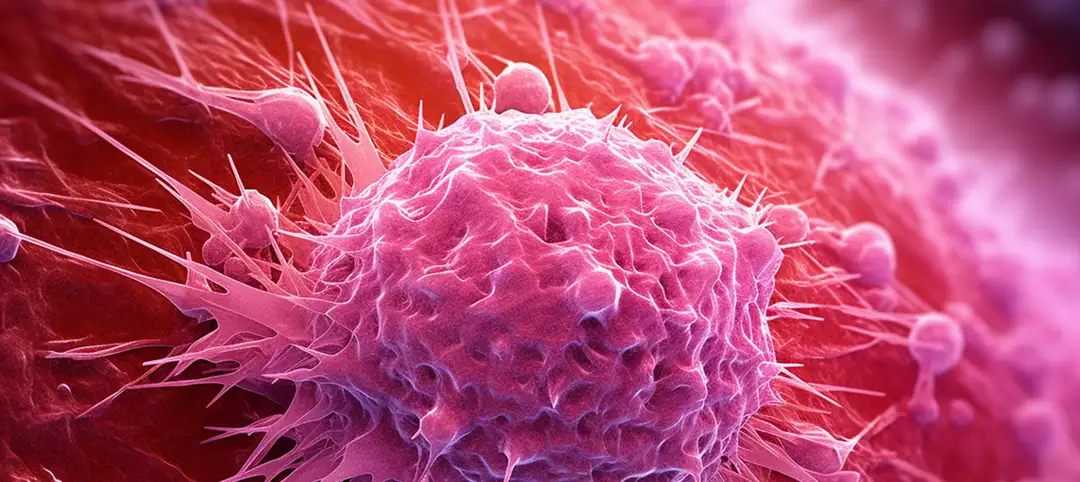
The KRAS gene is one of the most frequently mutated oncogenes in solid tumors, with KRAS G12D being the predominant subtype. This mutation represents a major therapeutic challenge due to the lack of clearly defined binding sites. HRS-4642 is a highly selective, long-acting, non-covalent inhibitor of KRAS G12D.
A first-in-human phase I study was conducted to evaluate HRS-4642 in patients with advanced solid tumors harboring the KRAS G12D mutation who had progressed after standard therapies, using a new formulation of the compound. The study included dose-escalation, dose-expansion, and indication-expansion phases, with intravenous administration given weekly (200–500 mg), every two weeks (800 or 1200 mg), or every three weeks (1200 mg). The primary endpoints were safety, maximum tolerated dose (MTD), and recommended phase II dose.
As of March 14, 2025, 84 patients had been treated, including 38 with non–small cell lung cancer (NSCLC) and 24 with pancreatic ductal adenocarcinoma (PDAC), with a median of two prior lines of therapy. During dose escalation, no dose-limiting toxicities were reported, and the MTD was not reached. Grade ≥3 treatment-related adverse events occurred in 23.8% of patients, the most common being hypertriglyceridemia, neutropenia, and hypercholesterolemia. One patient discontinued treatment due to an adverse event, and one treatment-related death was reported.
The objective response rate ranged from 20.8% to 33.3%, and the disease control rate from 76.3% to 100%, depending on dose and tumor subtype. The median progression-free survival (PFS) ranged from 4.1 to 8.4 months, and median overall survival (OS) from 7.2 to 13.7 months. The elimination half-life of HRS-4642, including its encapsulated form, was approximately three days, and early changes in circulating KRAS G12D levels supported the biweekly dosing schedule.
HRS-4642 was well tolerated in previously treated patients and demonstrated promising activity in NSCLC and PDAC with KRAS G12D mutations, supporting further studies, including combination strategies.
References:
- Bannoura SF, Khan HY, and Azmi AS. KRAS G12D targeted therapies for pancreatic cancer: Has the fortress been conquered? Front Oncol. 2022;12:1013902. doi:10.3389/fonc.2022.1013902
- Xiong A, Zhou C, Zhang Y, et al. KRAS G12D inhibitor HRS-4642 in patients with KRAS G12D-mutant advanced solid tumors: A phase I trial. ESMO Congress 2025.
Highlights

TribeMD
ASCO GU® 2026
Medical Affairs
Trastuzumab deruxtecan (T-DXd) Provides Significant Clinical Benefit Over Trastuzumab emtansine (T-DM1), Marking a Potential Shift in the Therapeutic Standard for HER2+ Breast Cancer

TribeMD
SnackableHealth™ | From Intervention to Prevention: How Secondary Prevention Clinics Are Redefining Post-ACS Care

TribeMD
ASCO GU® 2026
Medical Affairs
Trastuzumab deruxtecan (T-DXd) Provides Significant Clinical Benefit Over Trastuzumab emtansine (T-DM1), Marking a Potential Shift in the Therapeutic Standard for HER2+ Breast Cancer
TribeMD
SnackableHealth™ | From Intervention to Prevention: How Secondary Prevention Clinics Are Redefining Post-ACS Care